
If you live in Connecticut, chances are you’ve got at least one shady spot in your yard. Mature maple trees, towering oaks, or that north-facing side of the house that barely sees sunlight, we’ve all stood there wondering, “What on earth will grow here?”
Shade gardening in Connecticut doesn’t mean settling for sparse or dull plantings. With the right shade plants, Connecticut homeowners can create lush, layered spaces that feel cool, inviting, and full of life. The key is understanding your light conditions and choosing plants that actually enjoy them.
In this guide, we’ll walk through the best groundcovers, shrubs, and flowering plants for Connecticut shade gardening, plus practical tips to help you get it right the first time.
How to Understand Shade Conditions for Plants
Before you plant a single hosta, it helps to know exactly what kind of shade you’re working with.
Partial Shade Defined
Partial shade typically means 2–5 hours of direct sun per day, or filtered, dappled light through tree branches. In Connecticut yards, this often shows up:
Along the east side of the house
Under high tree canopies
In spots that get gentle morning sun
Many partial shade plants that Connecticut homeowners love thrive in these areas because they get enough light to bloom without baking in summer heat.
Full Shade Defined
Full shade means fewer than 2 hours of direct sunlight daily. Think:
The north side of your home
Under dense evergreen trees
Tucked corners between structures
These areas need true shade-tolerant plants that CT landscapes depend on, especially since Connecticut’s mature trees create heavy canopy cover. Add in seasonal changes, leaf drop in fall, filtered light in early spring, and your yard’s light levels can shift throughout the year.
Take a few days to observe the sun patterns before planting. It’s a simple step that makes all the difference.
Best Ground Covering Plants for Shaded Areas in Connecticut
Groundcovers are the unsung heroes of shade gardens. They fill bare soil, suppress weeds, and create that full, finished look.
Hostas
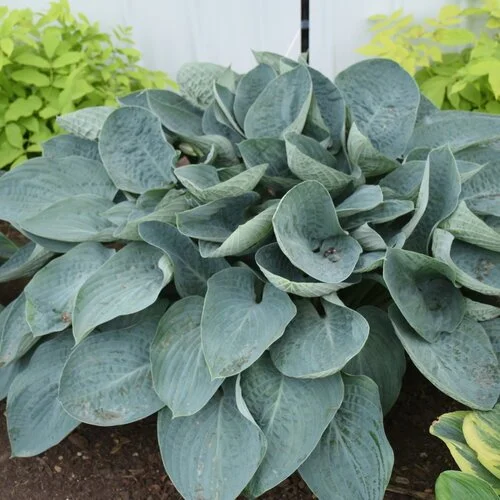
You can’t talk about shade-loving plants that Connecticut yards thrive with without mentioning hostas. These classics come in dozens of varieties, from deep green to blue-gray to variegated white and lime.
They prefer partial to full shade and consistent moisture. Design tip: Mix large-leaf varieties with smaller ones for contrast. Just keep deer protection in mind, they’re fans.
Christmas Fern (Polystichum acrostichoides)
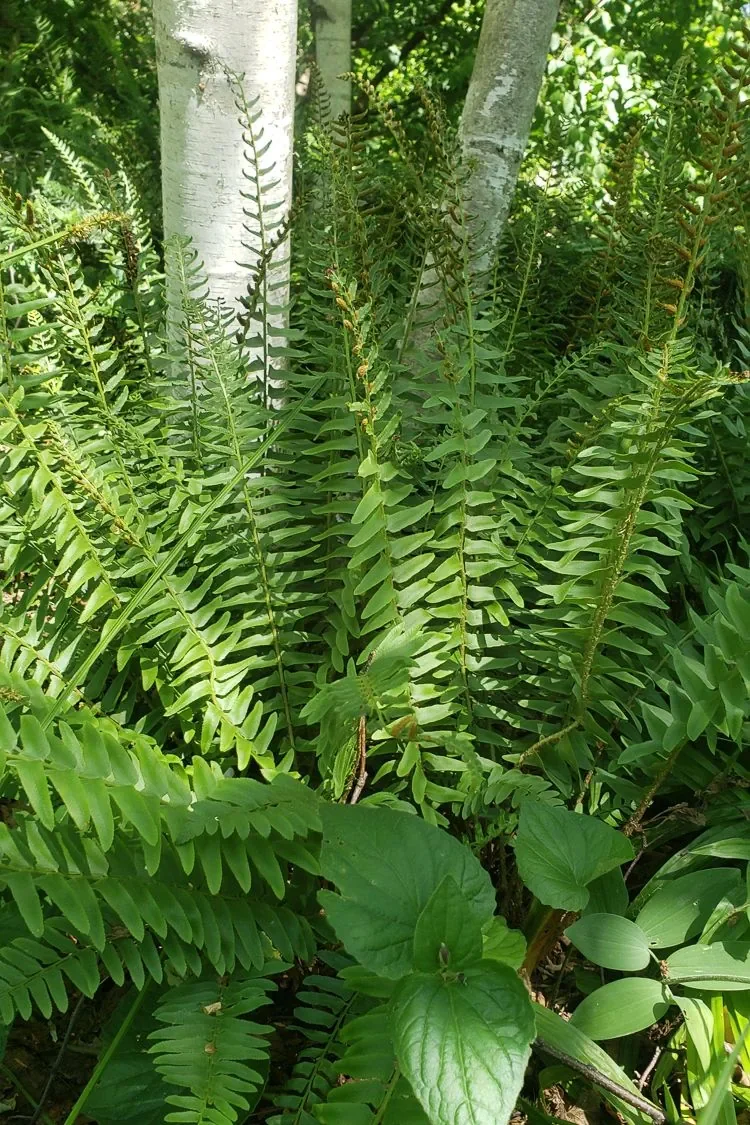
This native evergreen fern adds year-round texture. It tolerates dry shade and tree root competition better than most plants. If you’re looking for native shade plants that gardens benefit from, this is a strong choice.
Foamflower (Tiarella)
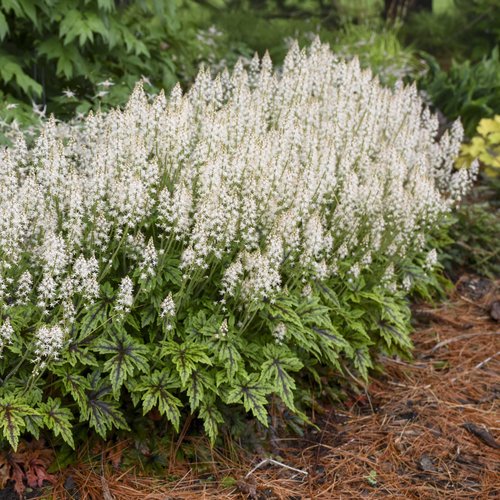
A sweet spring bloomer with delicate white or pink flowers. Foamflower spreads gradually, making it ideal for covering soil under trees. It’s also deer-resistant, always a plus in Connecticut.
Wild Ginger (Asarum canadense)
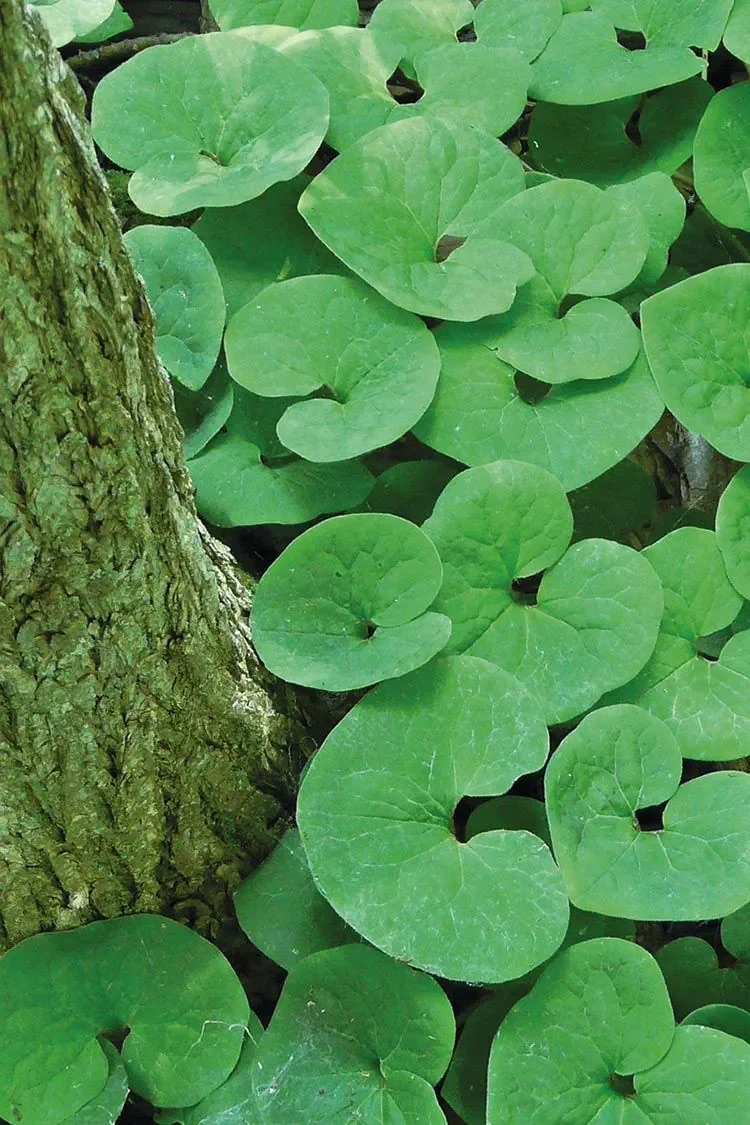
A beautiful native alternative to invasive groundcovers. Its heart-shaped leaves create a dense carpet in deep shade. It handles dry conditions surprisingly well once established.
Pachysandra
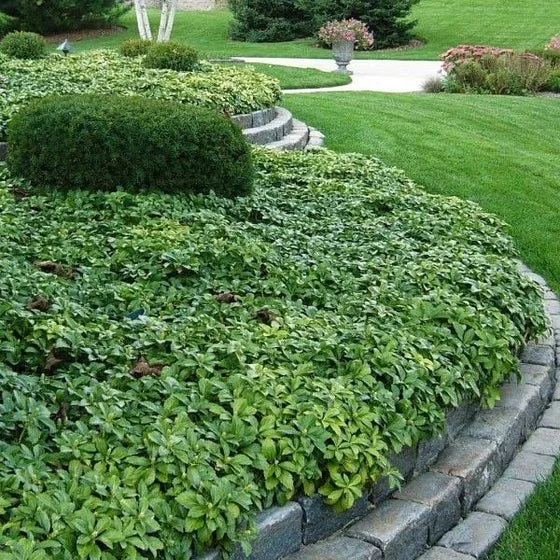
A traditional option that still has its place, especially for large shaded areas where low maintenance is key.
Shade Plant Selection by Light Level
Full Shade: Christmas Fern, Wild Ginger, Hostas
Partial Shade: Foamflower, Coral Bells, Astilbe
Moist Shade: Astilbe, Red Twig Dogwood
Dry Shade: Christmas Fern, Wild Ginger
Best Shrubs for Shaded Areas in Connecticut
Shrubs provide structure, height, and year-round interest, especially important in shade gardens.
Flowering Dogwood (Cornus florida)
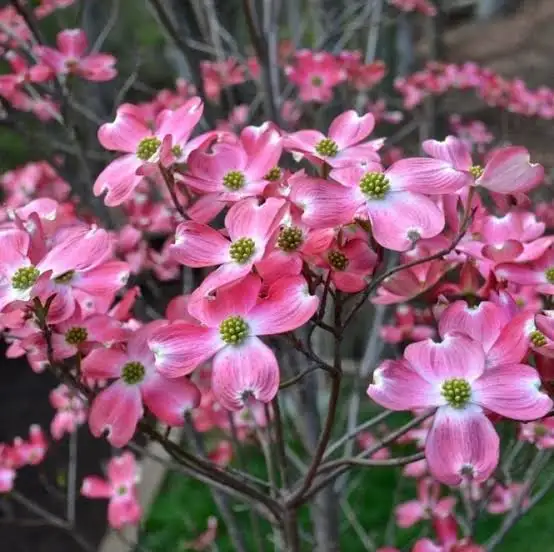
A native understory tree that handles partial shade beautifully. Spring blooms, summer foliage, and fall color make it a staple in shade garden design that Connecticut homeowners love.
Hydrangeas (Oakleaf & Smooth)
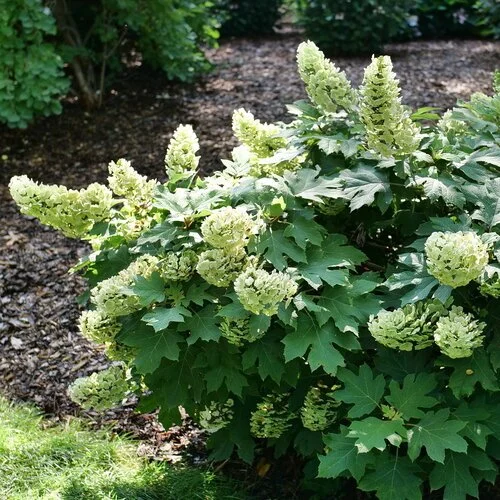
Oakleaf hydrangea tolerates partial shade and offers stunning fall color. Smooth hydrangea blooms reliably even with limited sun. Both are strong additions to plants for shady Connecticut landscapes.
Mountain Laurel (Kalmia latifolia)
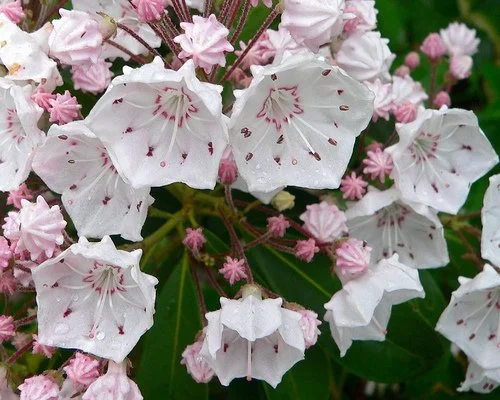
Connecticut’s state flower, and for good reason. It handles partial shade well and keeps its evergreen leaves all year.
Sweetspire (Itea virginica)
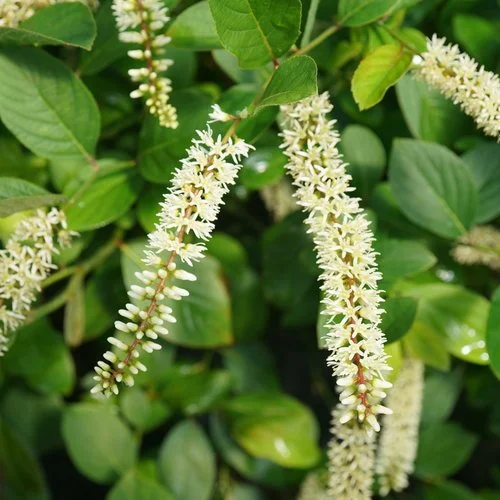
Fragrant summer blooms and fiery fall color. It’s native, low-maintenance, and handles wet soil.
Red Twig Dogwood (Cornus sericea)
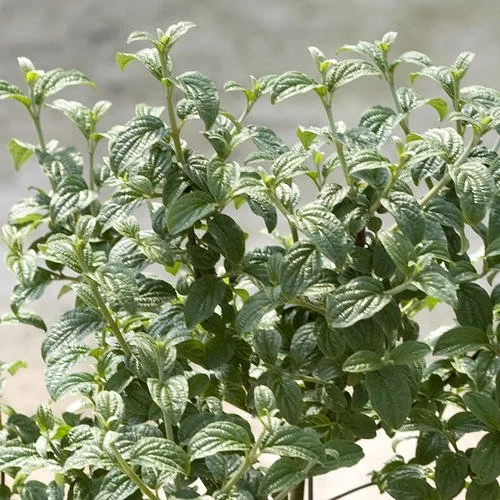
Adds winter interest with bright red stems. It tolerates wet shade and supports wildlife.
Chokeberry (Aronia)
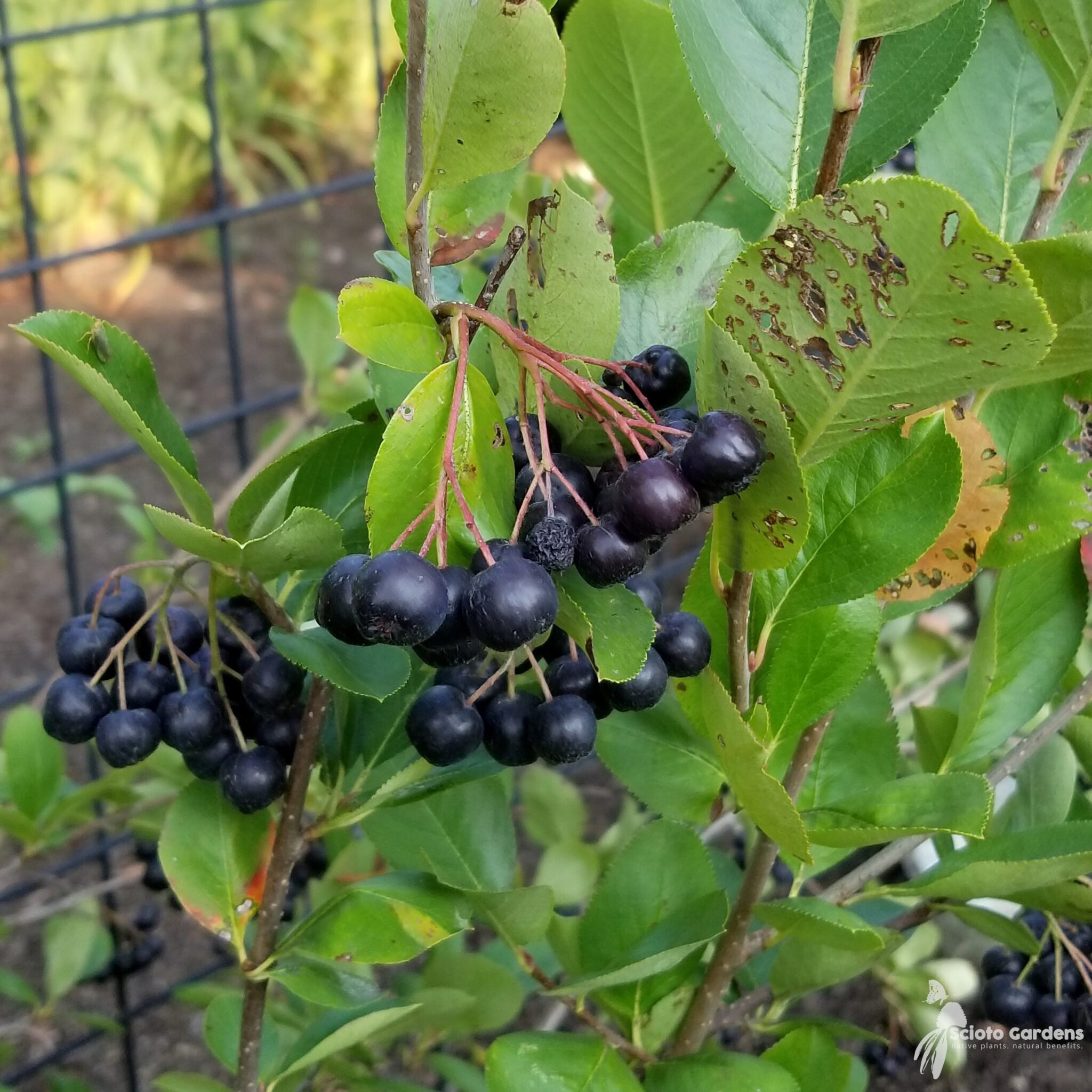
Low maintenance and bird-friendly, with glossy foliage and beautiful fall color.
Native vs. Non-Native
Native shade plants Connecticut landscapes rely on are better adapted to local soil, climate, and wildlife. They often require less water and maintenance while supporting pollinators and birds.
That doesn’t mean non-natives are off-limits, but choosing native plants where possible makes your yard stronger and more resilient.
The Best Flowering Plants for Shady Spots in Connecticut
Shade doesn’t mean colorless. In fact, some of the most elegant blooms prefer softer light.
Astilbe
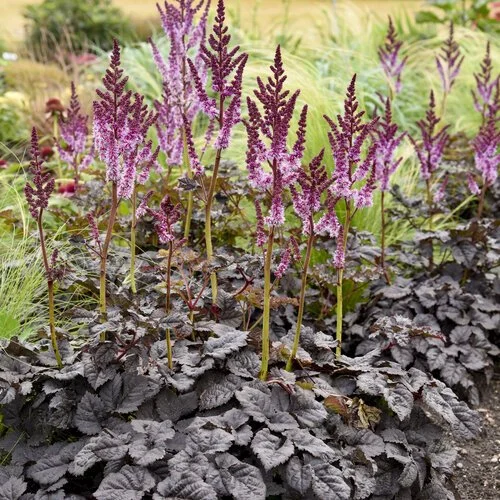
Feathery plumes in pink, red, or white. Perfect for moist shade and pairs beautifully with ferns.
Virginia Bluebells
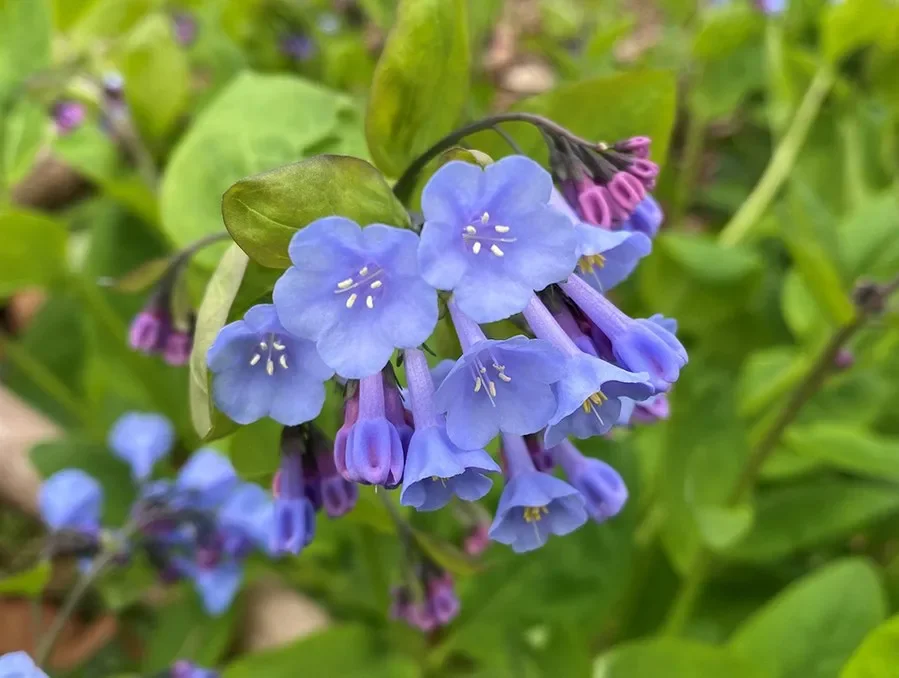
A spring favorite that naturalizes over time. Lovely tucked beneath trees.
White Wood Aster
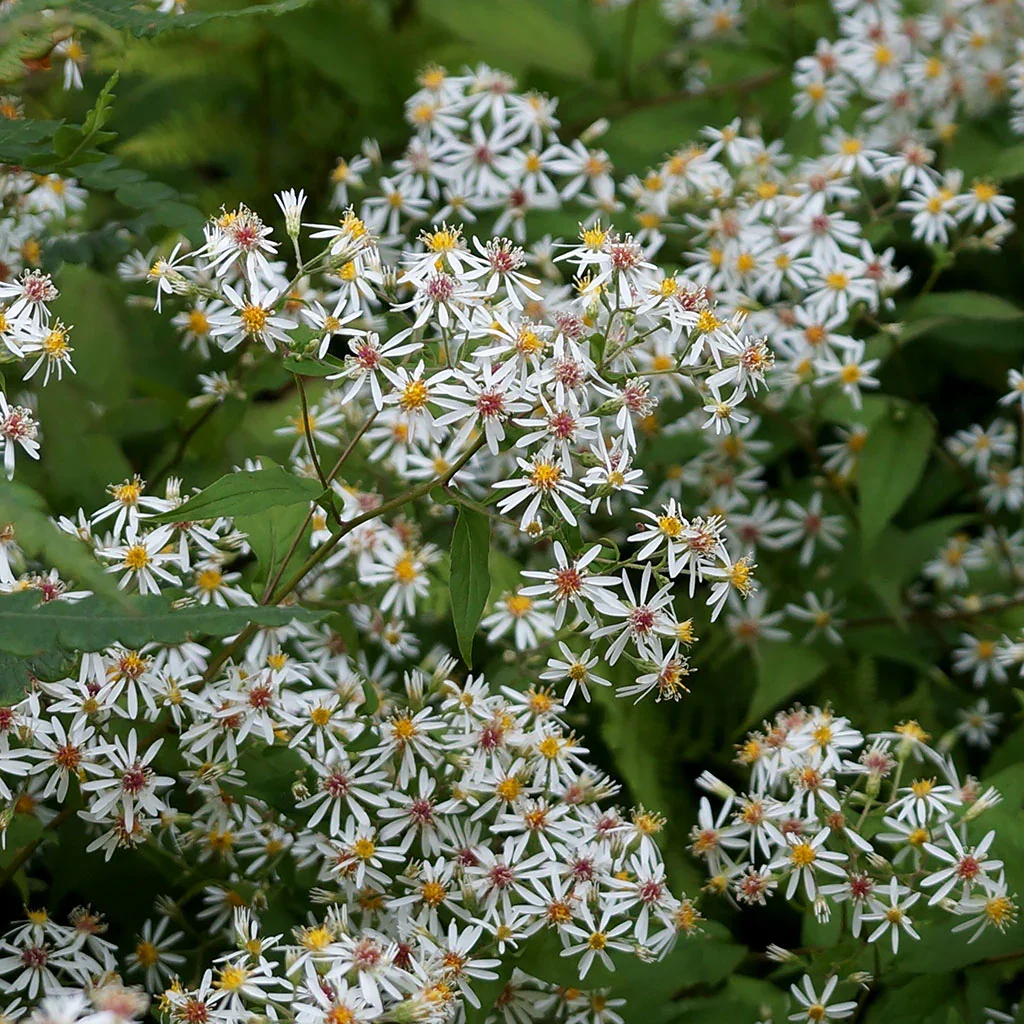
Late-season blooms that brighten fall gardens and support pollinators.
Bleeding Heart
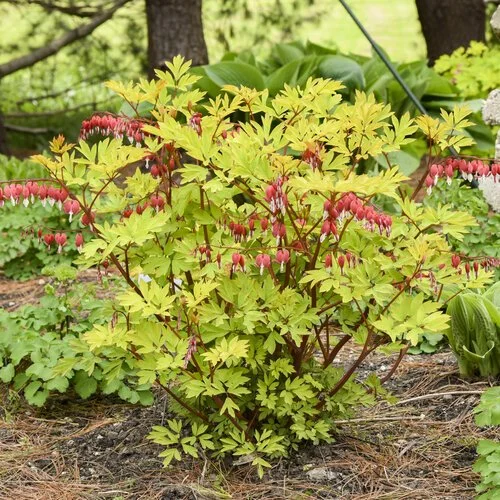
A classic for spring shade gardens. Its delicate heart-shaped flowers feel almost nostalgic.
Coleus & Impatiens
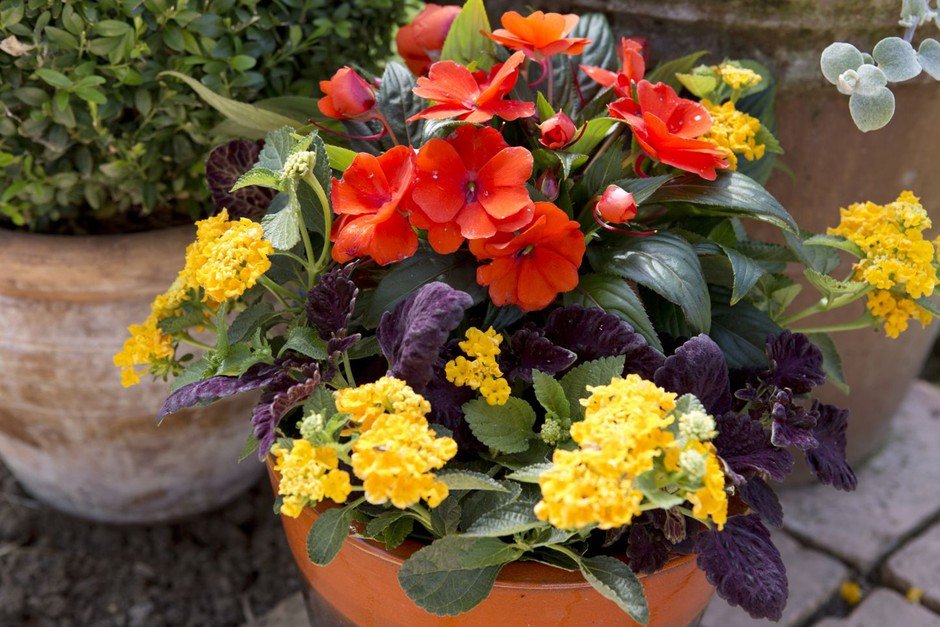
Annuals that bring season-long color. Great for containers or filling gaps.
Coral Bells (Heuchera)
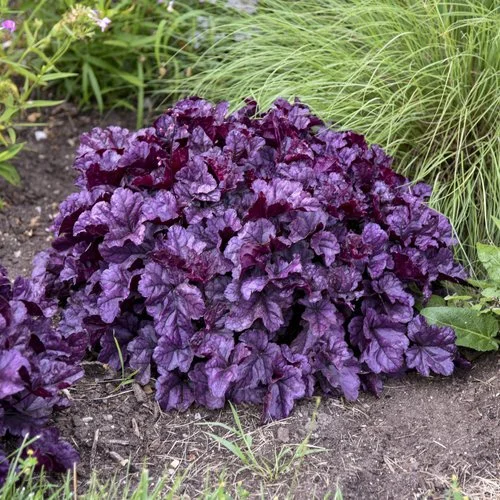
Grown as much for foliage as flowers. Burgundy, lime, copper, you name it.
With thoughtful planning, you can stagger bloom times for continuous interest from early spring through fall.
Planting & Care Tips for Shade Gardens
Even the best shade perennials for Connecticut need a strong start.
Soil Preparation
Connecticut soil often benefits from compost to improve drainage and nutrient levels. Under trees, root competition is real; dig wide planting holes and amend generously.
Watering
Shade plants typically need less water, but newly planted shrubs still require consistent moisture. Avoid soggy soil.
Mulching
Apply 2–3 inches of mulch to retain moisture and reduce weeds. Keep it slightly away from stems.
Seasonal Maintenance
Spring cleanup helps prevent fungal issues. In fall, leave some seed heads for wildlife and cut back perennials after frost.
Dry shade can be tricky, especially under large maples. In those spots, lean on tough natives like ferns and wild ginger.
Shaded Yards Can Be Beautiful and Functional
A shady yard is an opportunity. With the right Connecticut landscape design, those low-light areas can feel cool, layered, and inviting.
At Birch Hill Landscape, we design and install shade gardens that thrive in Connecticut’s zones 5–6. From thoughtful plant selection to full shade garden installation, homeowners trust we help you make the most of every corner of your property.
Serving Avon, Farmington, West Hartford, and surrounding communities, we’d love to help you build a landscape that looks good and thrives.
Ready to get started? Let’s talk about your shade garden.